Financial errors can silently damage a business. From inaccurate bookkeeping to late tax filings, small mistakes can quickly escalate into serious financial, legal, and operational problems. For SMEs and startups, where margins may already be tight, these errors can be particularly costly.
Understanding common financial mistakes — and how to prevent them — is essential for sustainable business growth.
Why Financial Accuracy Matters
Accurate financial management is not just about compliance. It directly affects:
-
Cash flow stability
-
Profitability
-
Business decision-making
-
Investor confidence
-
Regulatory standing
When financial systems are weak, business growth becomes difficult to sustain.
Common Financial Errors Businesses Make
1. Poor Bookkeeping Practices
Incomplete or disorganized financial records can lead to inaccurate reporting, poor decision-making, and compliance risks.
2. Mixing Personal and Business Finances
Combining personal and business transactions makes tracking expenses difficult and complicates tax reporting.
3. Late or Incorrect Tax Filings
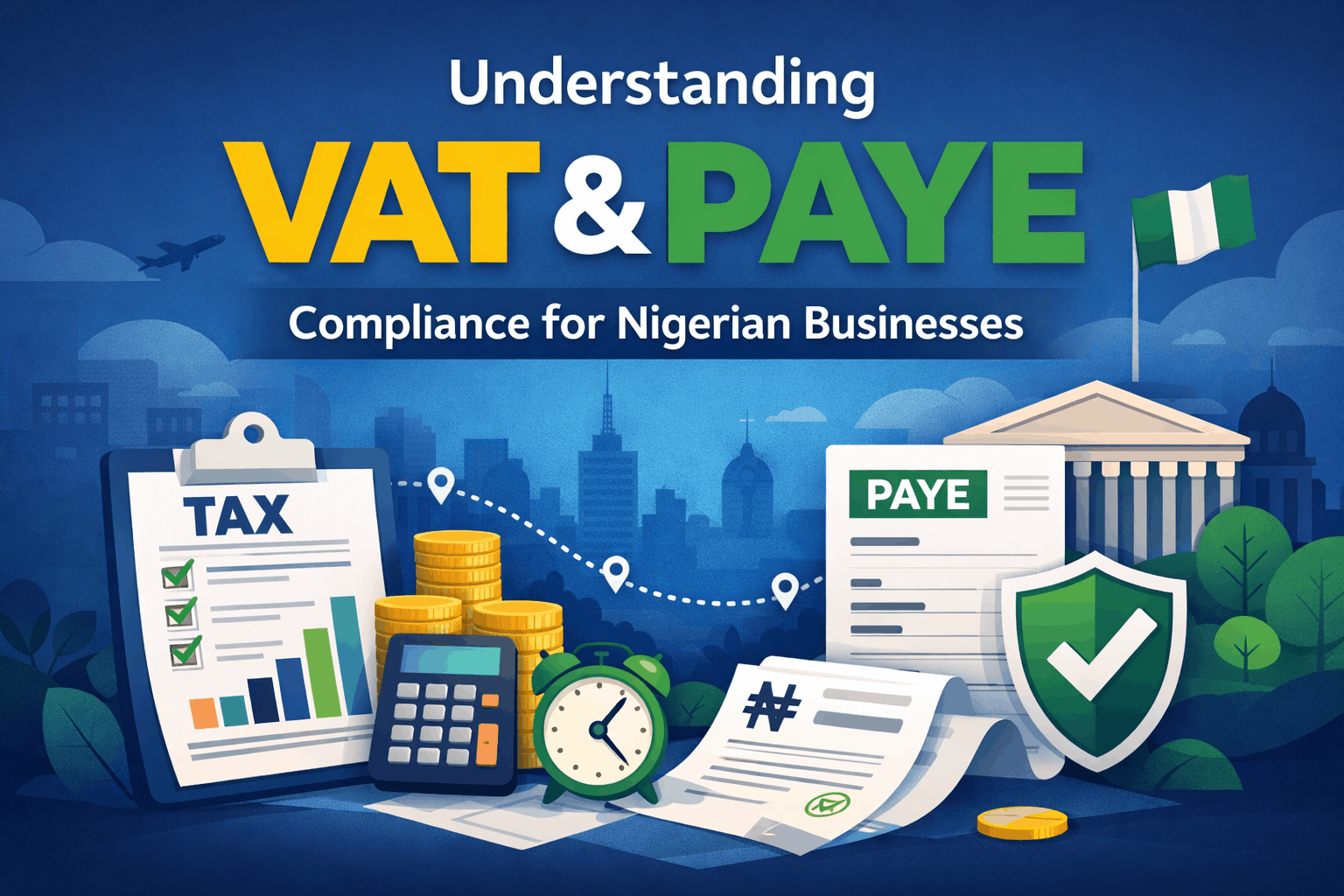
Delays in VAT, PAYE, or corporate tax submissions can result in penalties, interest charges, and regulatory scrutiny.
4. Weak Cash Flow Monitoring
Failing to monitor inflows and outflows regularly can lead to liquidity problems, even when the business appears profitable.
5. Lack of Financial Forecasting
Without budgeting and forecasting, businesses may struggle to plan for growth, manage expenses, or prepare for seasonal changes.
6. Manual Processes and Errors
Manual accounting processes increase the risk of data entry errors, fraud, and delayed reporting.
7. Ignoring Regulatory Changes
Tax and compliance regulations evolve. Failure to stay updated can expose businesses to avoidable legal consequences.
The Hidden Costs of Financial Mistakes
Financial errors can lead to:
-
Regulatory penalties
-
Damaged reputation
-
Missed growth opportunities
-
Inaccurate financial statements
-
Difficulty securing loans or investments
-
Increased audit risks
Over time, these consequences can significantly affect business sustainability.
How to Prevent Costly Financial Errors
Maintain Accurate and Up-to-Date Records
Consistent record keeping ensures financial clarity and supports compliance.
Automate Financial Processes
Cloud-based accounting systems reduce errors, improve accuracy, and provide real-time visibility into financial performance.
Conduct Regular Reconciliations
Bank, vendor, and receivable reconciliations help identify discrepancies early.
Implement Budgeting and Forecasting
Financial planning allows businesses to anticipate challenges and make informed strategic decisions.
Perform Tax Health Checks
Regular reviews of tax affairs ensure compliance and reduce the risk of penalties.
Seek Professional Financial Guidance
Engaging experienced finance professionals provides access to strategic insight and regulatory expertise.
Building a Strong Financial Foundation
Businesses that invest in strong financial systems and professional support are better positioned to:
-
Scale operations confidently
-
Manage risks effectively
-
Improve profitability
-
Maintain compliance
-
Strengthen stakeholder trust
Financial discipline is not an expense — it is an investment in long-term success.
Conclusion
Avoiding costly financial errors requires proactive planning, accurate systems, and professional oversight. By strengthening bookkeeping practices, automating processes, ensuring tax compliance, and adopting strategic financial management, businesses can reduce risk and focus on sustainable growth.
A well-managed finance function protects your business today and prepares it for tomorrow.